Call us free on 0800 917 5742 We are open today between 9am and 5pm

Call us free on 0800 917 5742 We are open today between 9am and 5pm
Australia is world-famous for its incredible wildlife and unique native animals found nowhere else on Earth. From kangaroos and koalas to quokkas, wombats, and whale sharks, every region offers the chance to experience these amazing creatures up close. Here’s your ultimate guide to where to see Australia’s most iconic wildlife in their natural habitat.
Whether you’re exploring the beaches of Western Australia, the rainforests of Queensland, or the rugged wilds of Tasmania, Australia offers endless opportunities to see native wildlife in their natural environments. For tailor-made Australia wildlife holidays, our travel experts can create your perfect itinerary from kangaroo encounters to swimming with whale sharks.
Few animals are as synonymous with Australia as the kangaroo. Featured on the country's coat of arms, there are over 60 species found across the continent, from the vast red outback to lush rainforest canopies. Spotting them in the wild is one of the most memorable experiences Australia has to offer.
Lucky Bay in Western Australia is arguably the most iconic spot, where eastern grey kangaroos are regularly seen lounging on white sand beaches with turquoise water behind them. Kangaroo Island near Adelaide is home to an estimated 65,000 kangaroos, making sightings almost guaranteed alongside koalas, sea lions, and echidnas.
In Queensland's Daintree Rainforest, look out for the tree kangaroo, a rare and elusive species that looks quite different to its mainland cousins. As they are nocturnal, a guided night walk gives you the best chance of a sighting. Wine regions including Margaret River, Hunter Valley, and the Barossa also regularly attract kangaroos to the vineyard edges, especially around dawn and dusk.
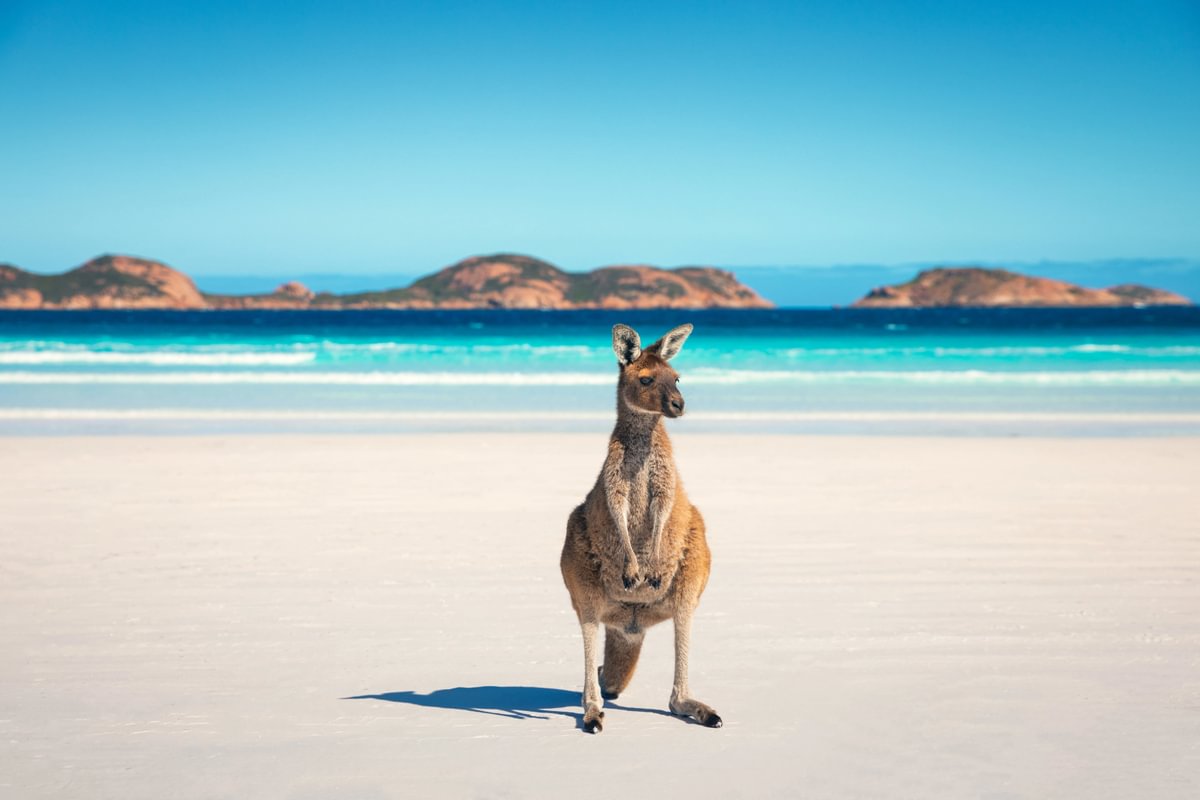
Image: Kangaroo at Lucky Bay, Western Australia
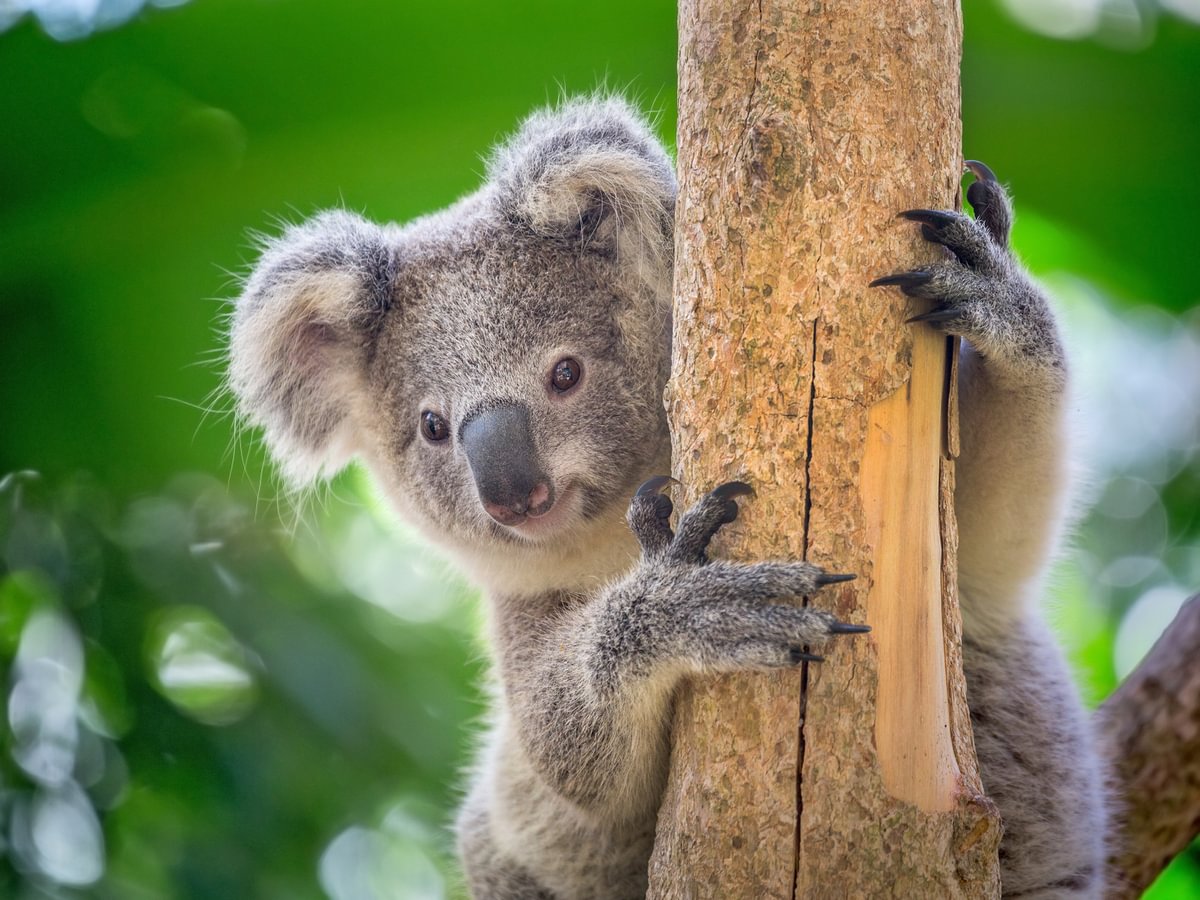
Australia's most beloved marsupial spends up to 22 hours a day sleeping, fuelled almost entirely by eucalyptus leaves. Despite their sleepy reputation, spotting one in the wild is a truly special moment. Koalas are not bears, as is commonly believed, but marsupials more closely related to wombats.
Raymond Island, roughly 3.5 hours east of Melbourne, is one of the best places in the country to see them in the wild. Follow the self-guided koala trail through the island's gum trees and you are almost certain to spot several resting in the branches above. Kangaroo Island is another outstanding location, with a healthy wild population roaming freely.
For a guaranteed close encounter, Currumbin Wildlife Sanctuary on the Gold Coast and Lone Pine Koala Sanctuary near Brisbane offer the chance to learn more about conservation efforts and see koalas up close in a responsible setting. Numbers have declined significantly in recent years, so seeing them in the wild is increasingly precious.
Often described as the world's happiest animal thanks to their naturally upturned mouths, quokkas have become one of Australia's most photographed creatures. Found almost exclusively on Rottnest Island off the coast of Perth, getting there is easy with a 90-minute ferry from Fremantle or a shorter crossing from Hillarys Boat Harbour.
Quokkas are nocturnal, so the best time to see them up and about is late afternoon as the day begins to cool. They are remarkably unfazed by humans and will often approach you out of curiosity, making the famous quokka selfie very achievable. It is worth knowing that feeding or touching them is illegal and carries a fine, so admire them from a respectful distance.
Rottnest Island itself is a wonderful destination in its own right, with car-free roads, crystal-clear bays perfect for snorkelling, and a relaxed atmosphere that makes it ideal for a day trip or an overnight stay from Perth.
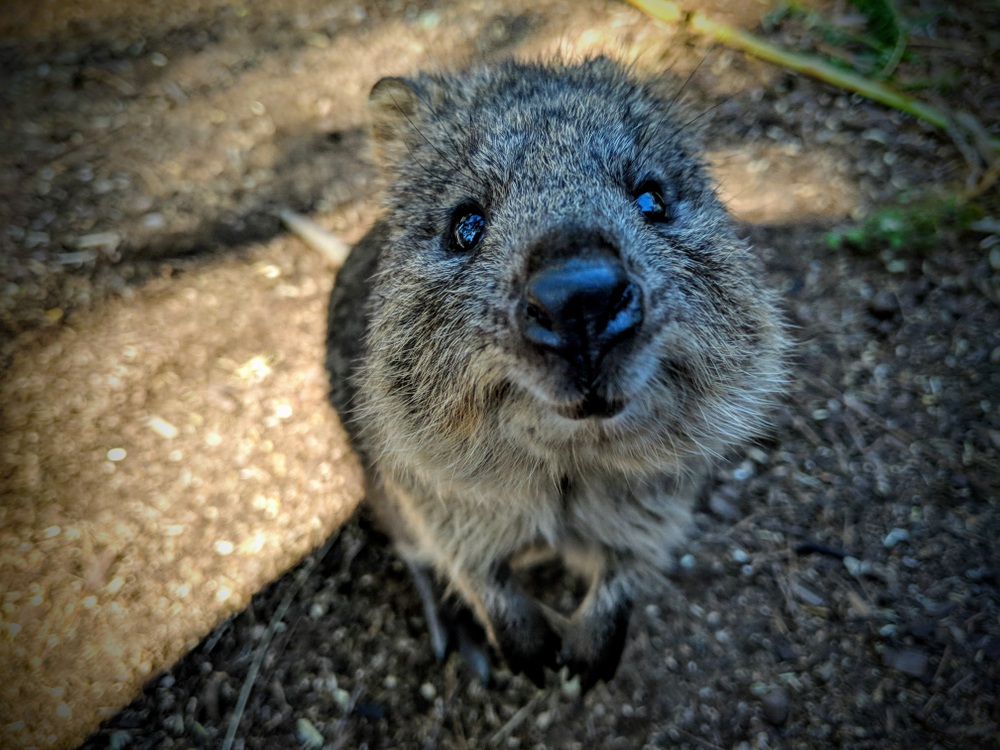
Image: Quokka, Rottnest Island, Western Australia
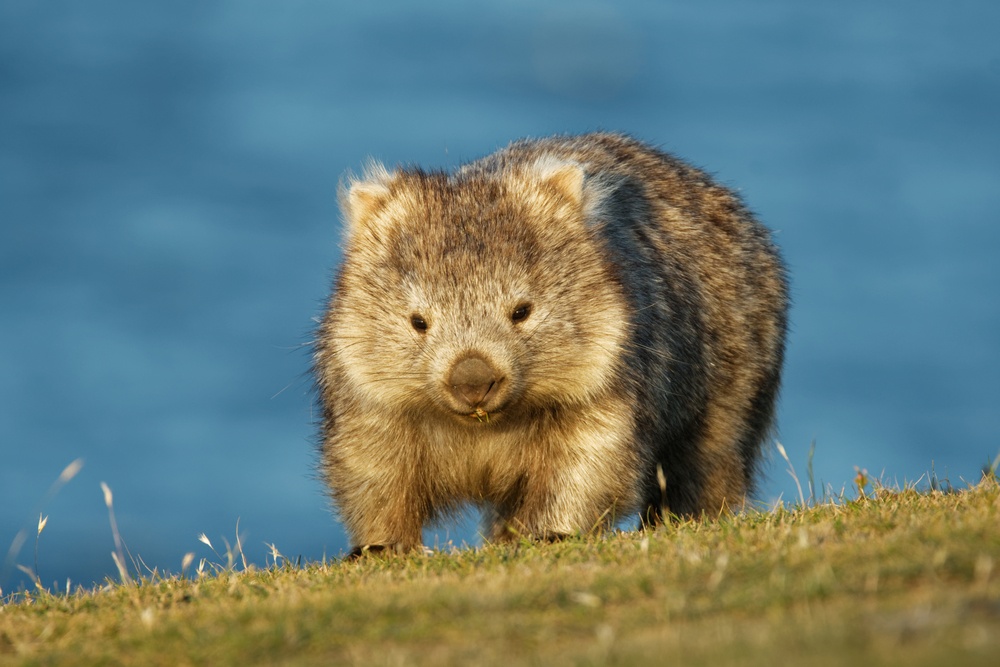
Wombats are stocky, burrowing marsupials that are far more widespread than many visitors realise. They are found across Tasmania, Victoria, southeastern South Australia, parts of New South Wales, and as far north as southern Queensland. Despite their size and surprisingly fast movement, they are rarely seen due to their nocturnal habits.
Cradle Mountain in Tasmania is one of the most reliable spots, where wombats are regularly seen grazing on the open grasslands around the visitor centre, particularly at dawn and dusk. Maria Island, also in Tasmania, is another excellent location and offers wombat sightings in a peaceful, traffic-free environment. In Victoria, Wilson's Promontory National Park is worth a visit for wombat encounters alongside some of the state's most dramatic coastal scenery.
There are three species in total: the common wombat, the southern hairy-nosed wombat, and the critically endangered northern hairy-nosed wombat. The common wombat is the one most travellers encounter in the wild.
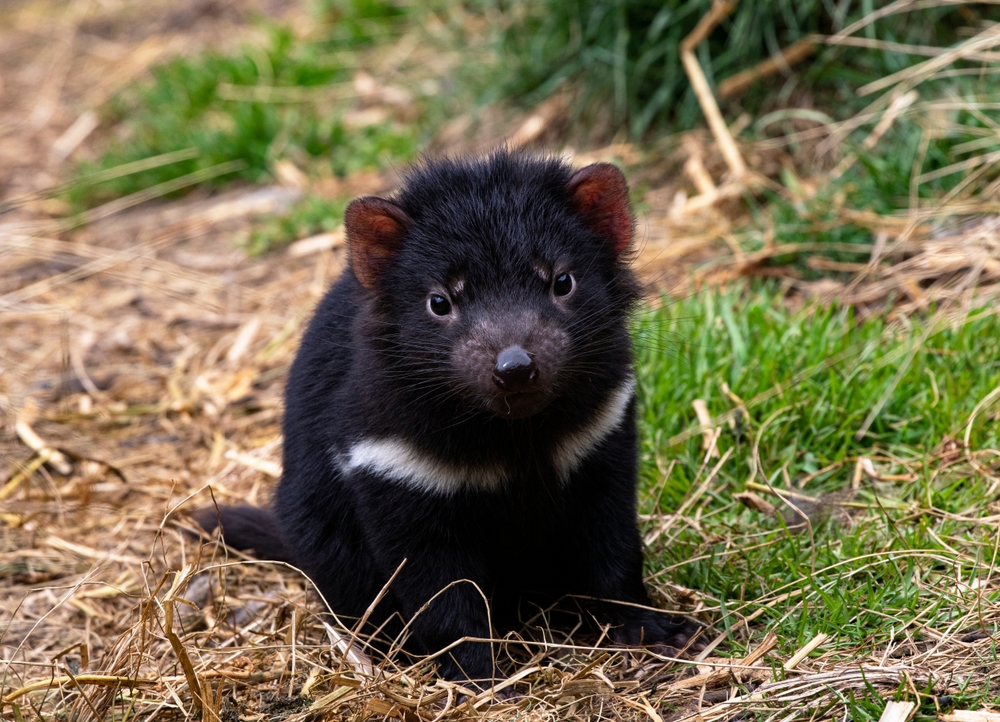
The world's largest carnivorous marsupial is found only in Tasmania, and while it may look unassuming in size, its powerful jaw and distinctive screech have earned it an outsized reputation. Early European settlers who heard its nocturnal growls and shrieks in the darkness named it accordingly, and the sound is genuinely startling if you encounter it after dark.
Tasmanian Devils are nocturnal and naturally shy, making wild sightings genuinely difficult. Your best chance is on a guided night tour in areas such as the Tasman Peninsula or around Cradle Mountain. For a reliable encounter, the Tasmanian Devil Unzoo at Taranna offers a wonderful alternative, with a focus on conservation and rewilding efforts rather than traditional zoo enclosures.
The species has faced serious threats from devil facial tumour disease, a contagious cancer that has significantly reduced wild populations since the 1990s. Conservation programmes are now seeing real progress, and a small population has even been reintroduced to mainland Australia for the first time in thousands of years.
The whale shark is the largest fish on the planet, and swimming alongside one is widely regarded as one of the most extraordinary wildlife experiences in the world. Despite their enormous size, reaching up to 12 metres in length, they are entirely harmless filter feeders, living almost exclusively on plankton and small fish.
Ningaloo Reef in Western Australia is one of the few places on Earth where whale shark encounters are reliably available to the public. From late March through to August each year, whale sharks migrate to the warm waters off Exmouth and Coral Bay in predictable numbers. Licensed tour operators use spotter planes to locate them before guiding small groups into the water for a snorkel alongside these gentle giants.
Ningaloo is also a UNESCO World Heritage Site and one of Australia's most pristine marine environments, offering excellent snorkelling and diving beyond the whale sharks themselves. Manta rays, humpback whales, and dugongs are also regularly spotted in the same waters. The season timing makes this a popular addition to a Western Australia itinerary.
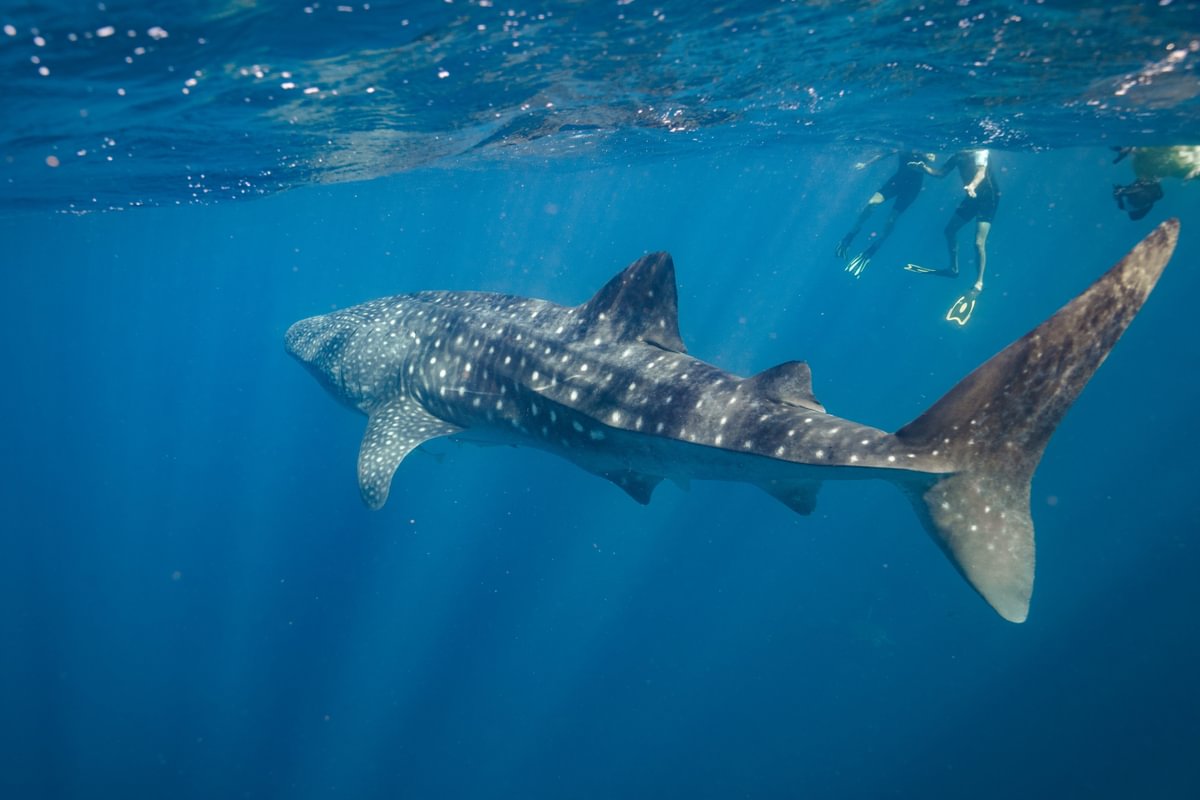
Image: Whale Shark in Ningaloo Reef
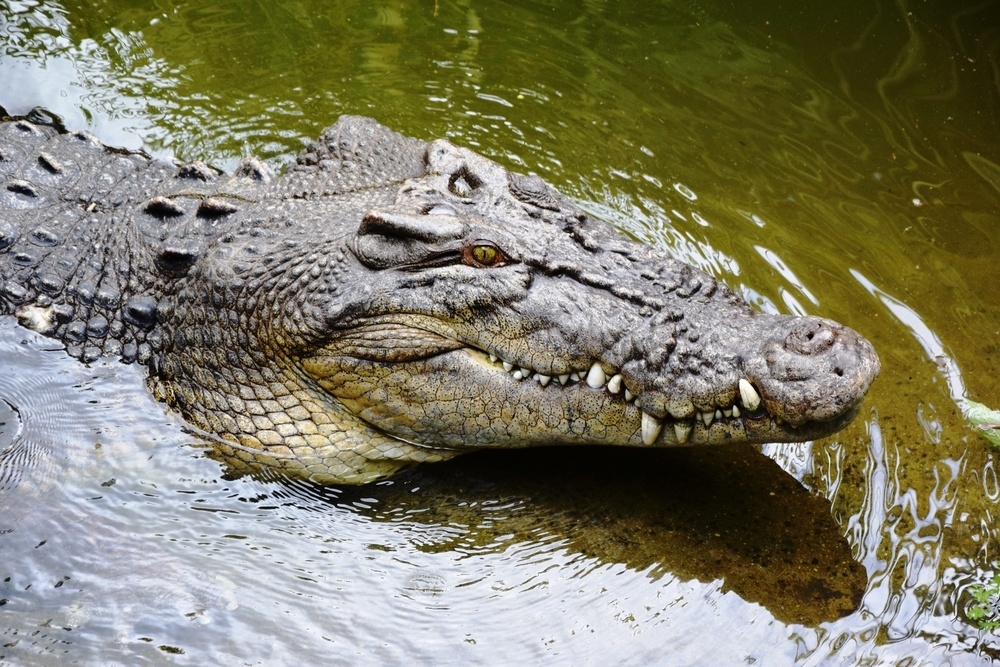
Australia is home to two species of crocodile: the saltwater crocodile and the freshwater crocodile. The saltwater crocodile, or saltie, is the largest reptile in the world and is found throughout the Northern Territory, northern Queensland, and parts of Western Australia. With an estimated 100,000 crocodiles in the Northern Territory alone, this is serious wildlife territory.
Kakadu National Park is the most accessible and spectacular place to see them, with guided boat tours along the Yellow Water Billabong offering incredibly close encounters in a safe and well-managed setting. Darwin itself has a number of popular spots where crocodiles bask on river banks, and tours depart regularly from the city. The Adelaide River, just south of Darwin, is particularly well known for its jumping crocodile cruises.
In Queensland, both species can be found in the Daintree Rainforest and throughout the Cape York Peninsula. It is essential to follow local signage and never swim in unfamiliar waterways in the tropics, as attacks do occur. A guided tour is always the safest and most rewarding way to see these animals in the wild.
13 Nights from £6985pp
11 Nights from £3000pp
14 Nights from £4945pp
14 Nights from £4500pp
16 Nights from £5995pp
19 Nights from £6450pp
Enquire
At Stewart Travel there are a number of ways you can contact us meaning that all you have to do is choose the option which is most convenient to you.
0800 917 5742
Request a Callback
Enquire
At Stewart Travel there are a number of ways you can contact us meaning that all you have to do is choose the option which is most convenient to you.
0800 917 5742
Make An Enquiry
Request A Callback
Request Your Copy
Please enter your details below
Sign up today for exclusive savings